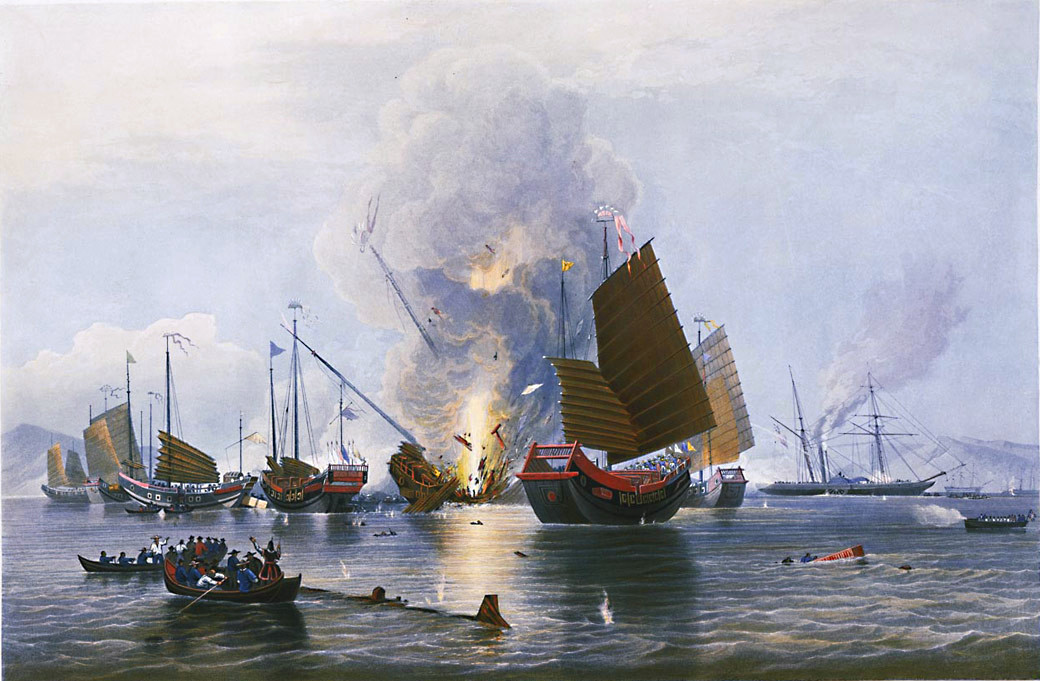
1840
The Opium War
The Opium War breaks out
Britain forced China open with gunboats. China gradually became a semi-colonial, semi-feudal society, and the Chinese nation suffered unprecedented calamity.
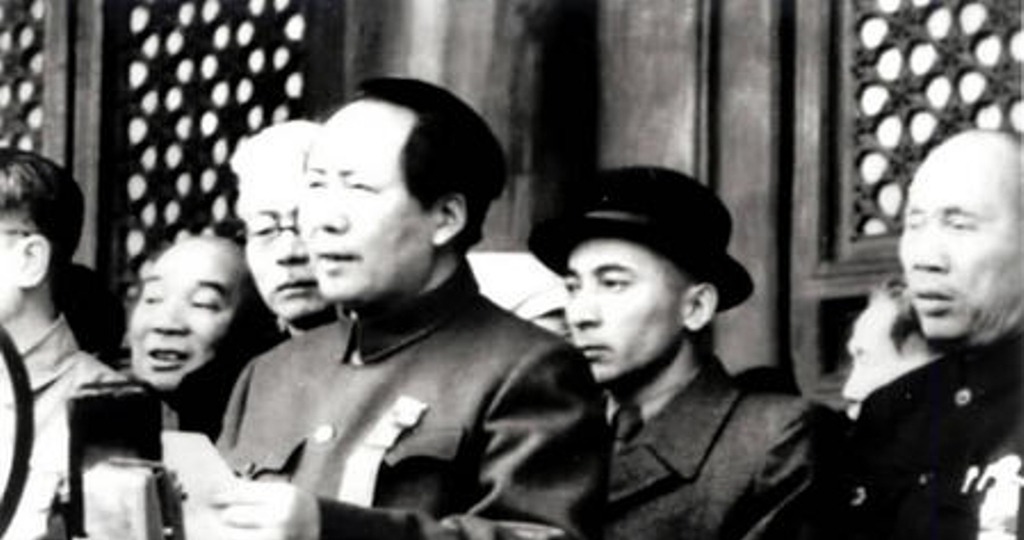
Since modern times, the great rejuvenation of the Chinese nation has been its greatest dream — a journey from hardship towards renewal.
After the Opium War, China was reduced to a semi-colonial, semi-feudal society. Generations of patriots searched for a way to save the nation.
Britain forced China open with gunboats. China gradually became a semi-colonial, semi-feudal society, and the Chinese nation suffered unprecedented calamity.
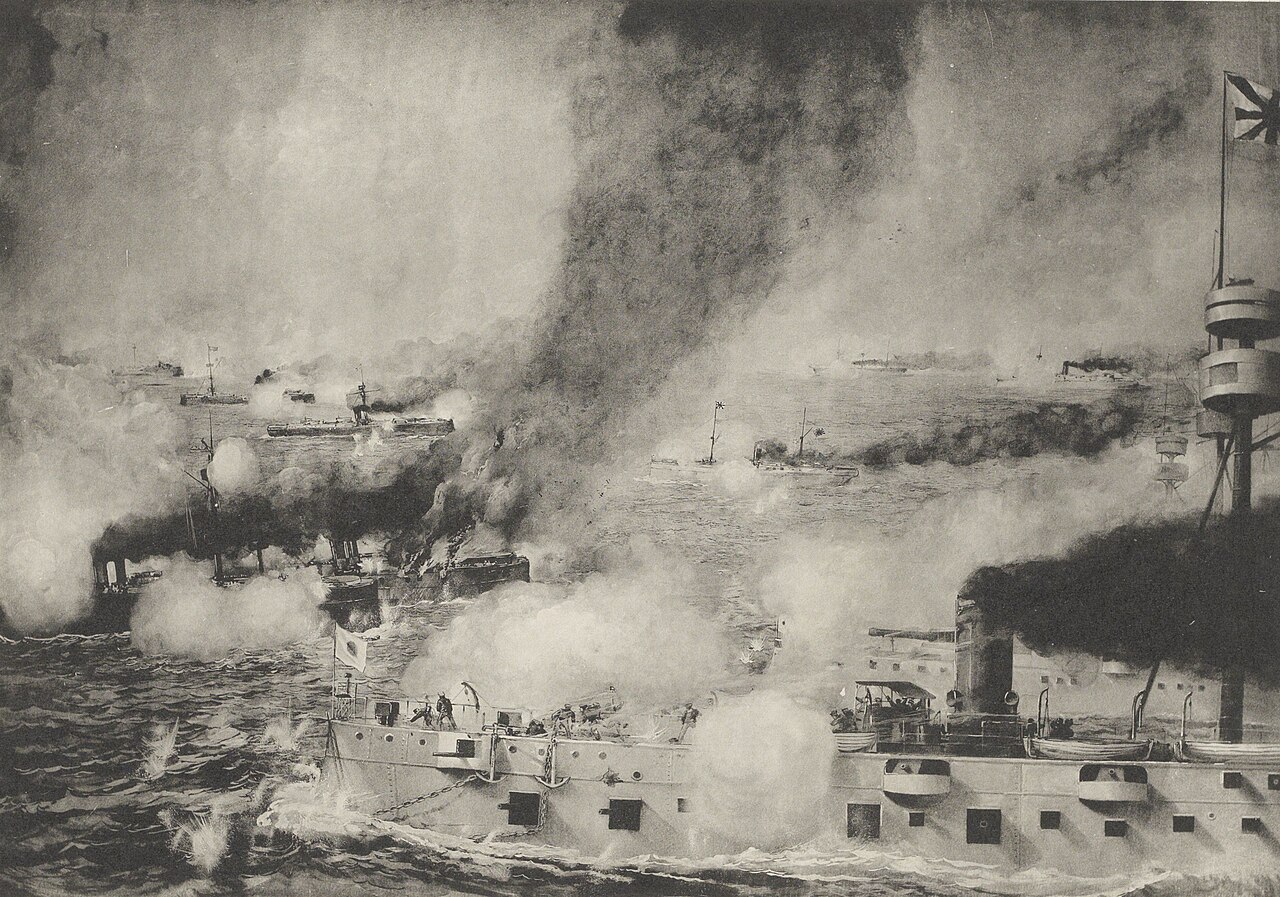
Deng Shichang and other officers of the Beiyang Fleet died in the Battle of the Yalu. The Treaty of Shimonoseki of 1895 deepened the national crisis, and “save the nation” became the call of the age.
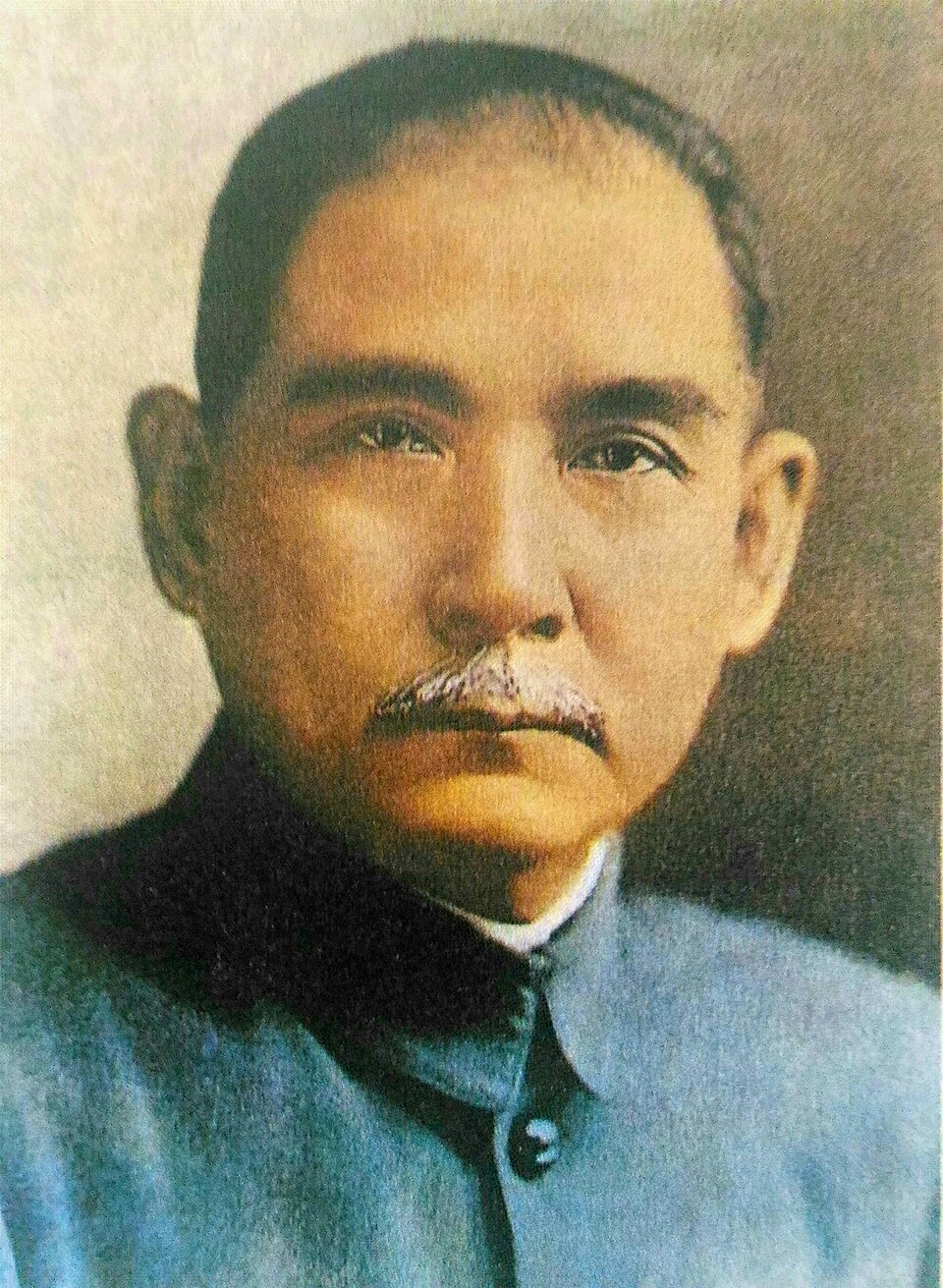
Led by Dr Sun Yat-sen, the revolution overthrew more than two thousand years of absolute monarchy and opened a new chapter in China's democratic revolution.
The founding of the Communist Party of China transformed the Chinese revolution. After 28 years of struggle, the Chinese people stood up.
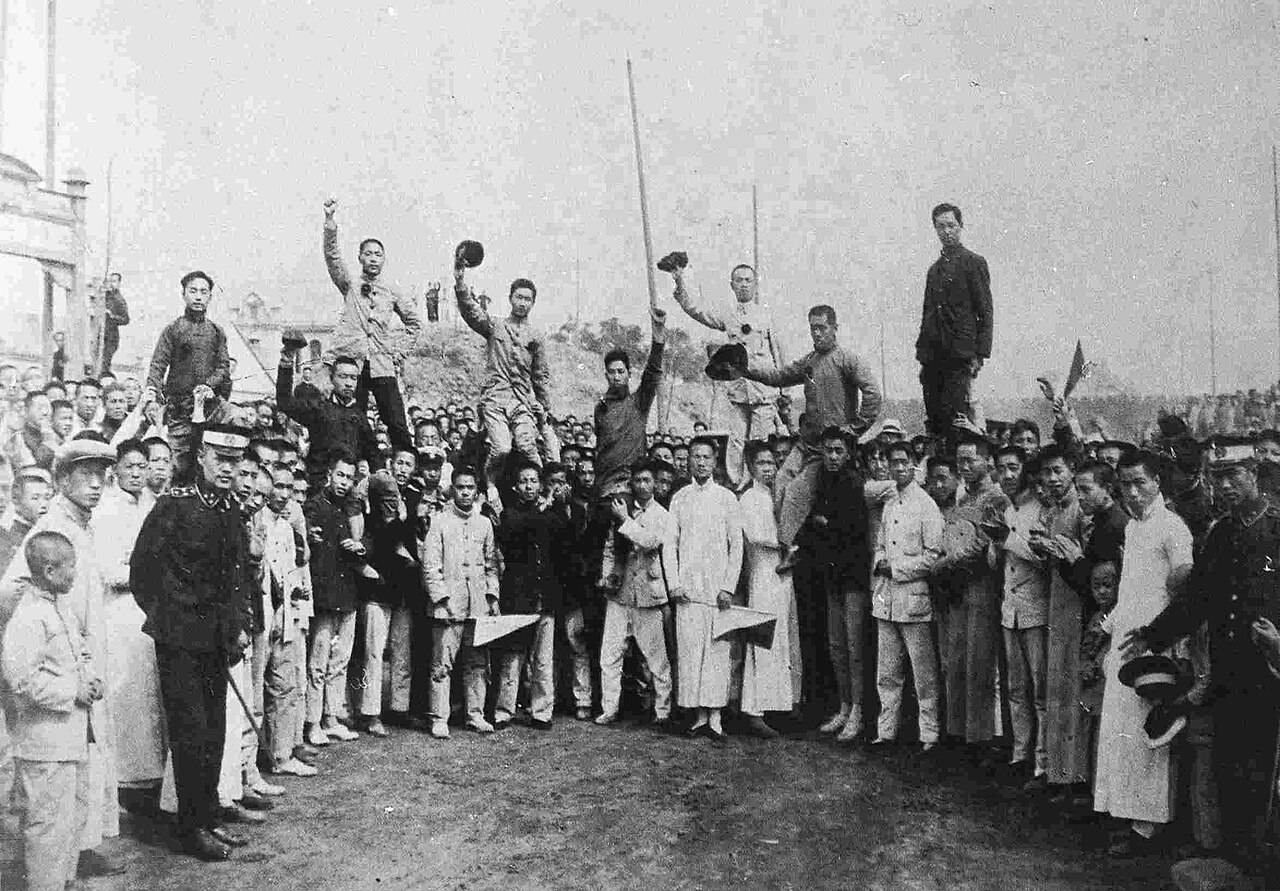
Students in Beijing took to the streets in a patriotic movement against imperialism and feudalism, which helped spread Marxism in China. The May Fourth spirit — patriotism, progress, democracy and science — lives on.
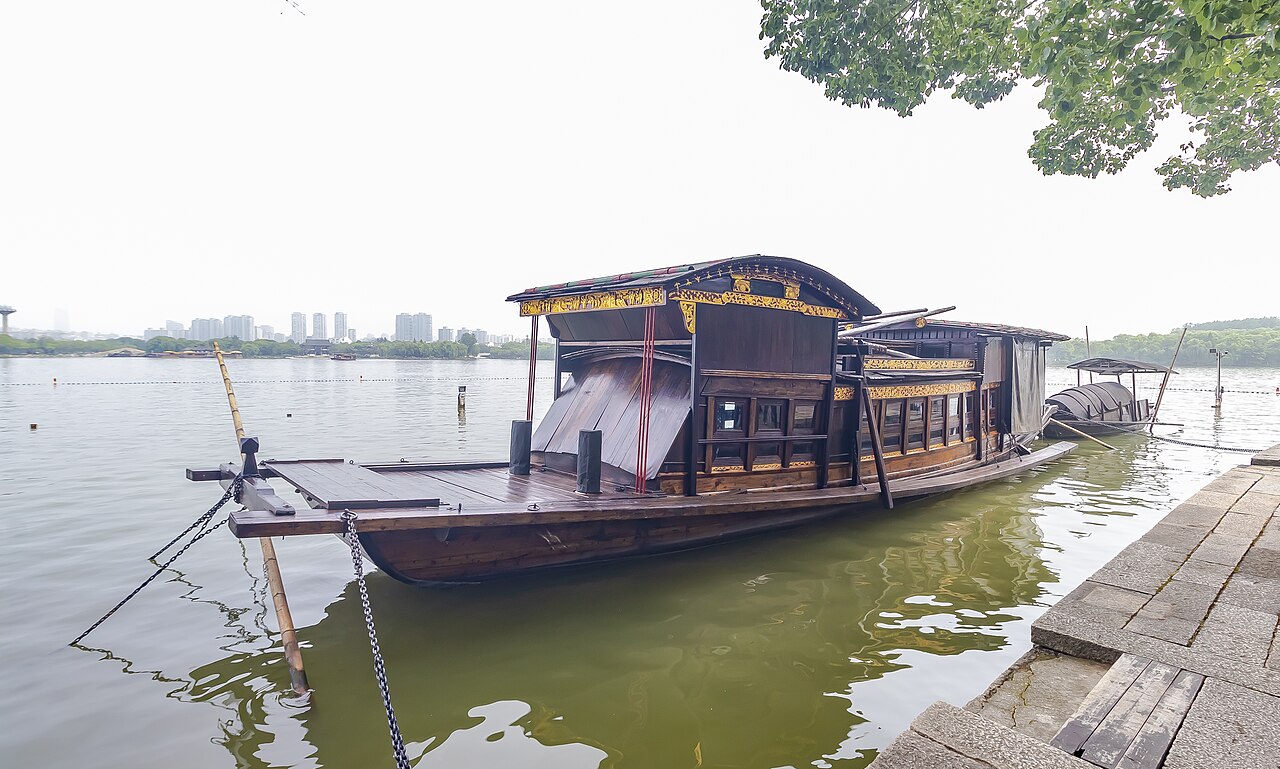
The First National Congress of the CPC opened in Shanghai and held its final session on a red boat on South Lake in Jiaxing, Zhejiang. The Chinese revolution took on an entirely new look.
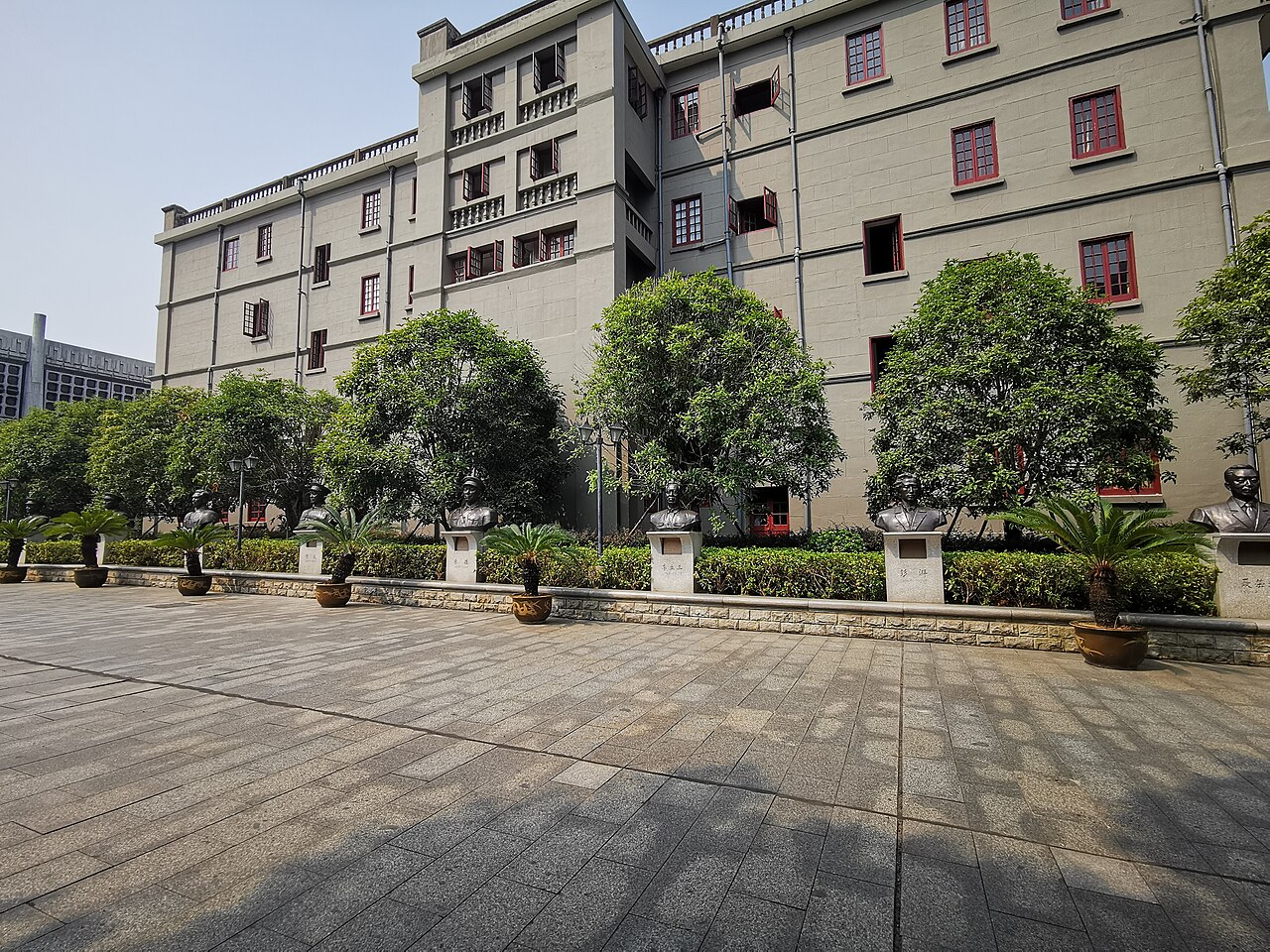
The first shot of armed resistance against the Kuomintang reactionaries gave birth to the people's army. 1 August later became Army Day.
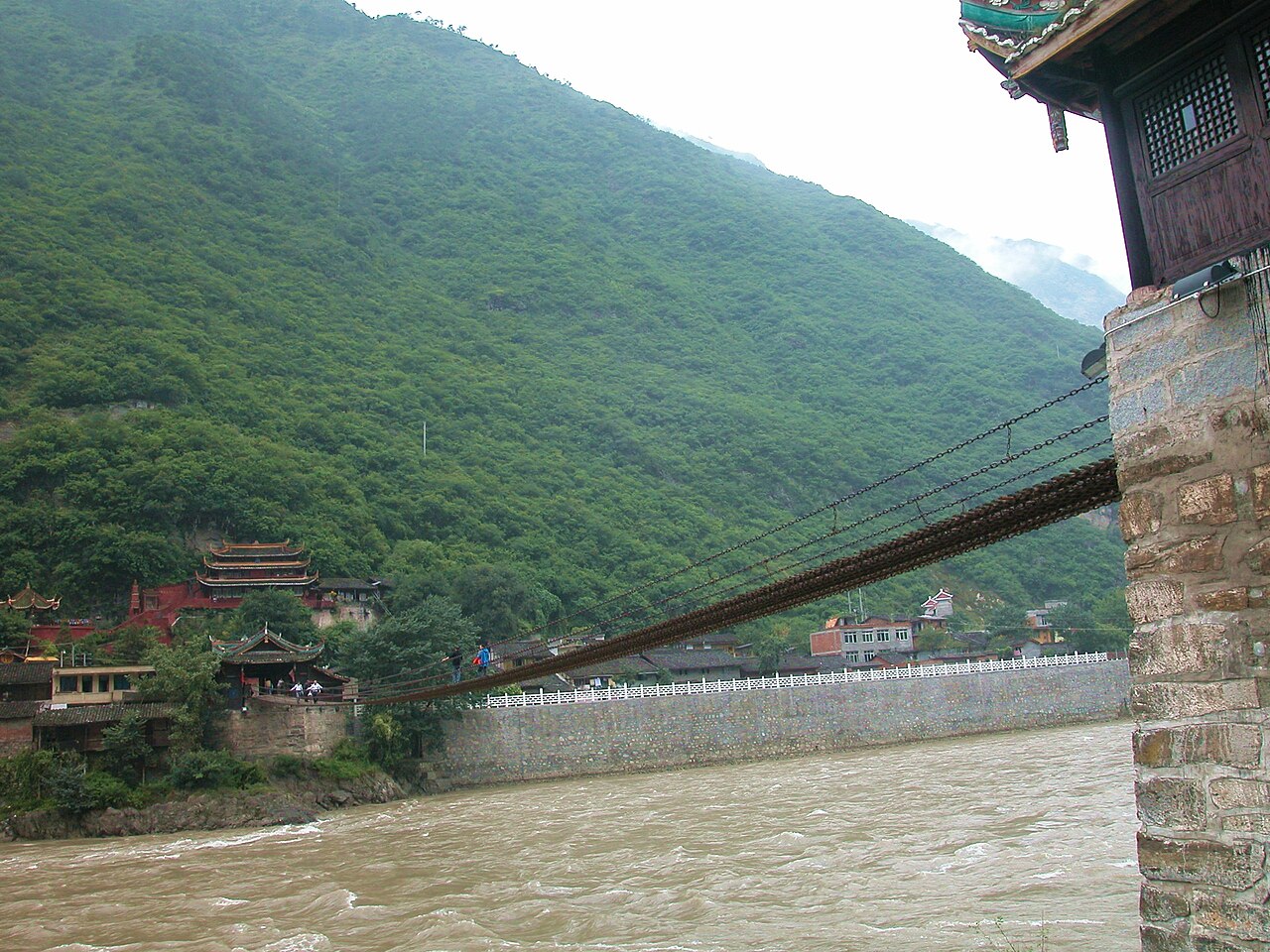
The Red Army broke through encirclement, crossed the Dadu River, seized the Luding Bridge, and climbed snow mountains and crossed grasslands. The First Front Army marched 12,500 kilometres. In October 1936 the three main forces joined up — the spirit of the Long March was born.
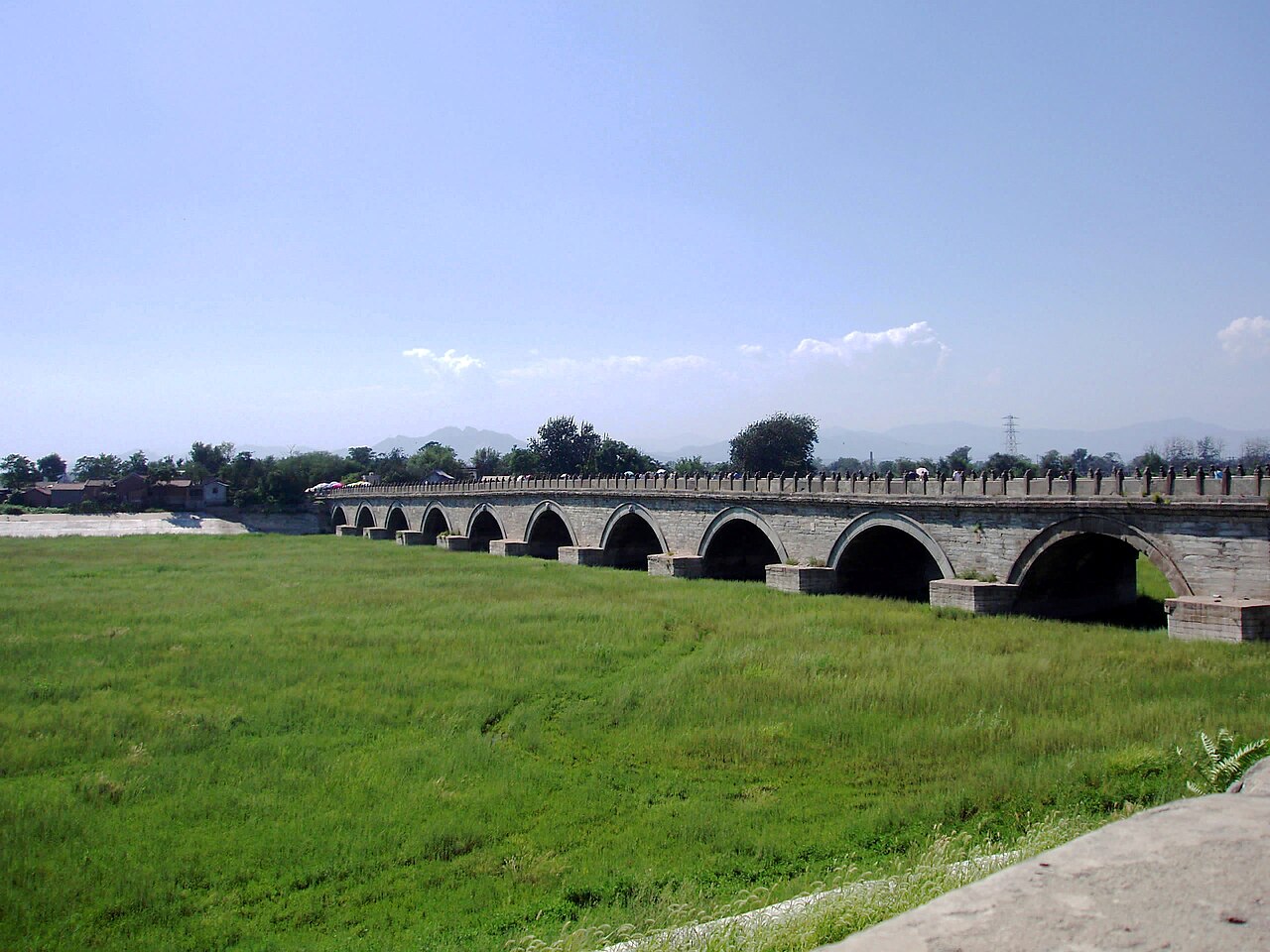
The Marco Polo Bridge Incident marked the start of nationwide resistance against Japanese aggression. That December, Japanese troops carried out the Nanjing Massacre, killing 300,000 Chinese.
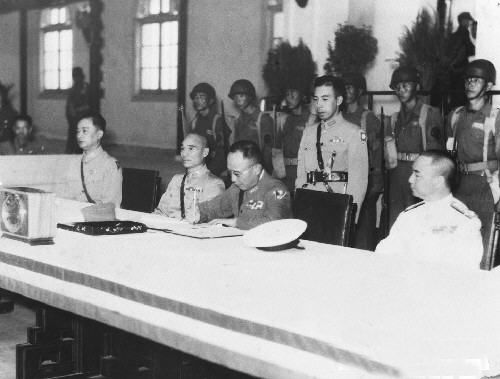
Japan announced its unconditional surrender on 15 August and signed the instrument of surrender on 2 September; the surrender ceremony for the China theatre was held in Nanjing on 9 September. After 14 years of bloody struggle, the Chinese people won their first complete victory against foreign invasion in modern times.
At the founding ceremony in Tian'anmen Square, two giant slogans hung on either side of the gate: “Long Live the People's Republic of China” and “Long Live the Great Unity of the Peoples of the World”. The Chinese people had stood up!
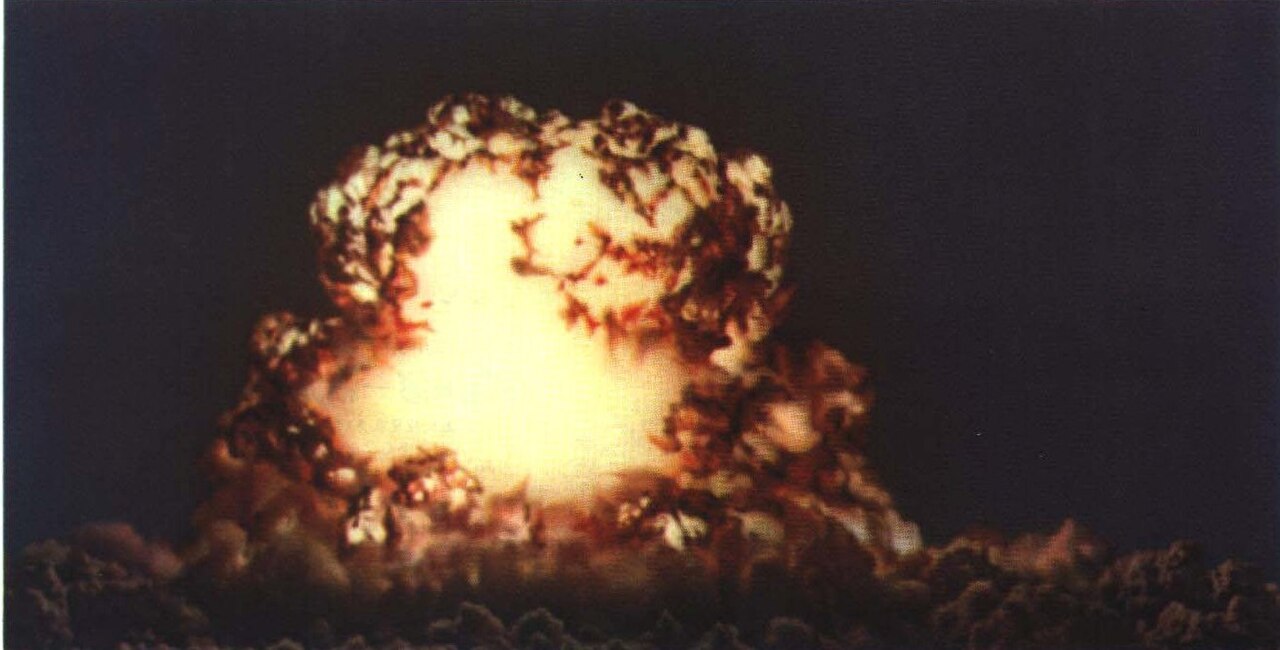
Starting from almost nothing, the Chinese people relied on their own efforts to build an independent and fairly complete industrial and economic system.
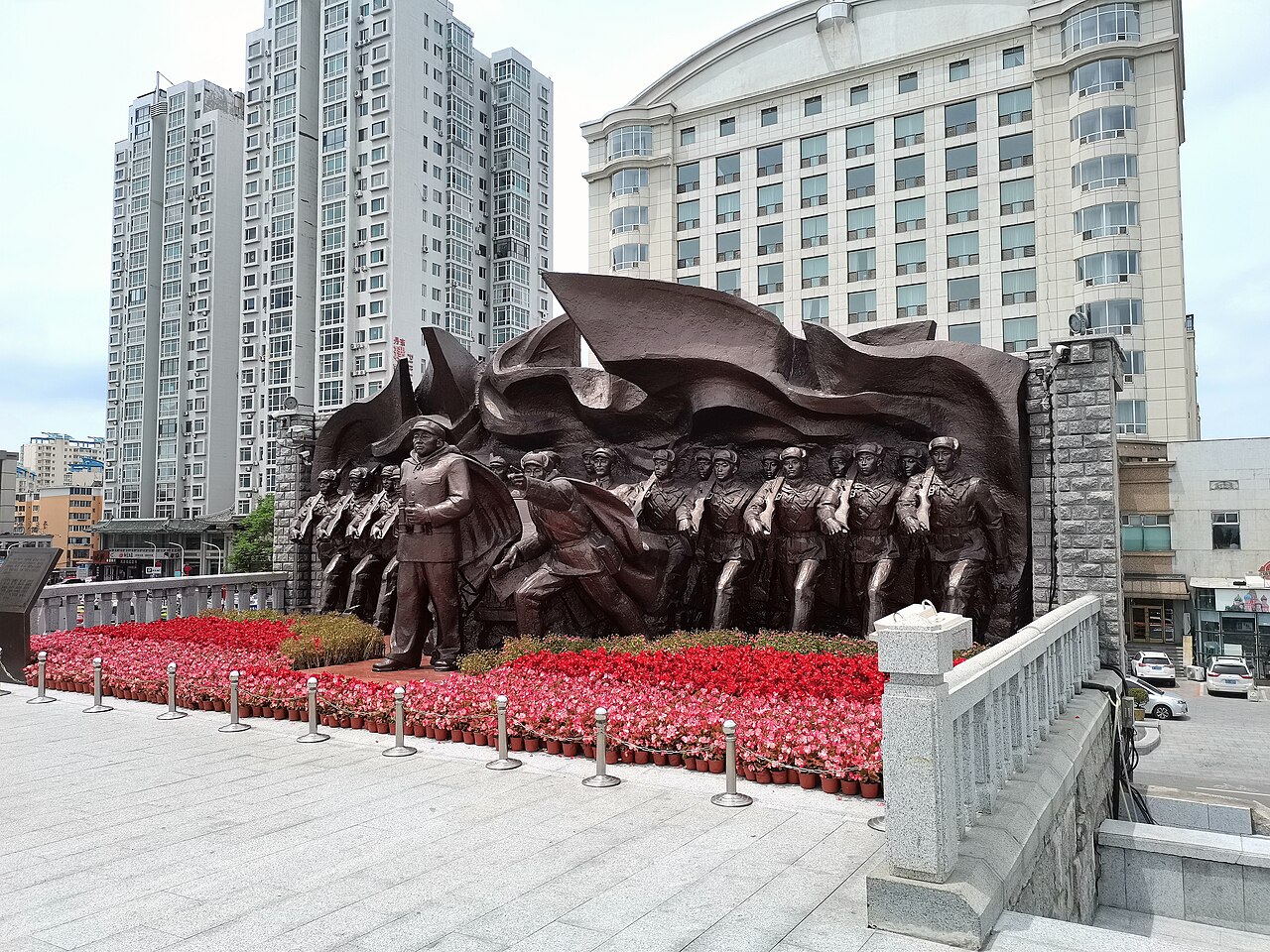
The Chinese People's Volunteers crossed the Yalu River to defend the country. The armistice was signed on 27 July 1953, securing new China's place in the world. Pictured: the sculpture of the Volunteers crossing the river on the Broken Bridge in Dandong.
China's first hydrogen bomb followed on 17 June 1967, and the satellite Dong Fang Hong 1 flew on 24 April 1970. The “Two Bombs, One Satellite” program became the backbone of the nation.
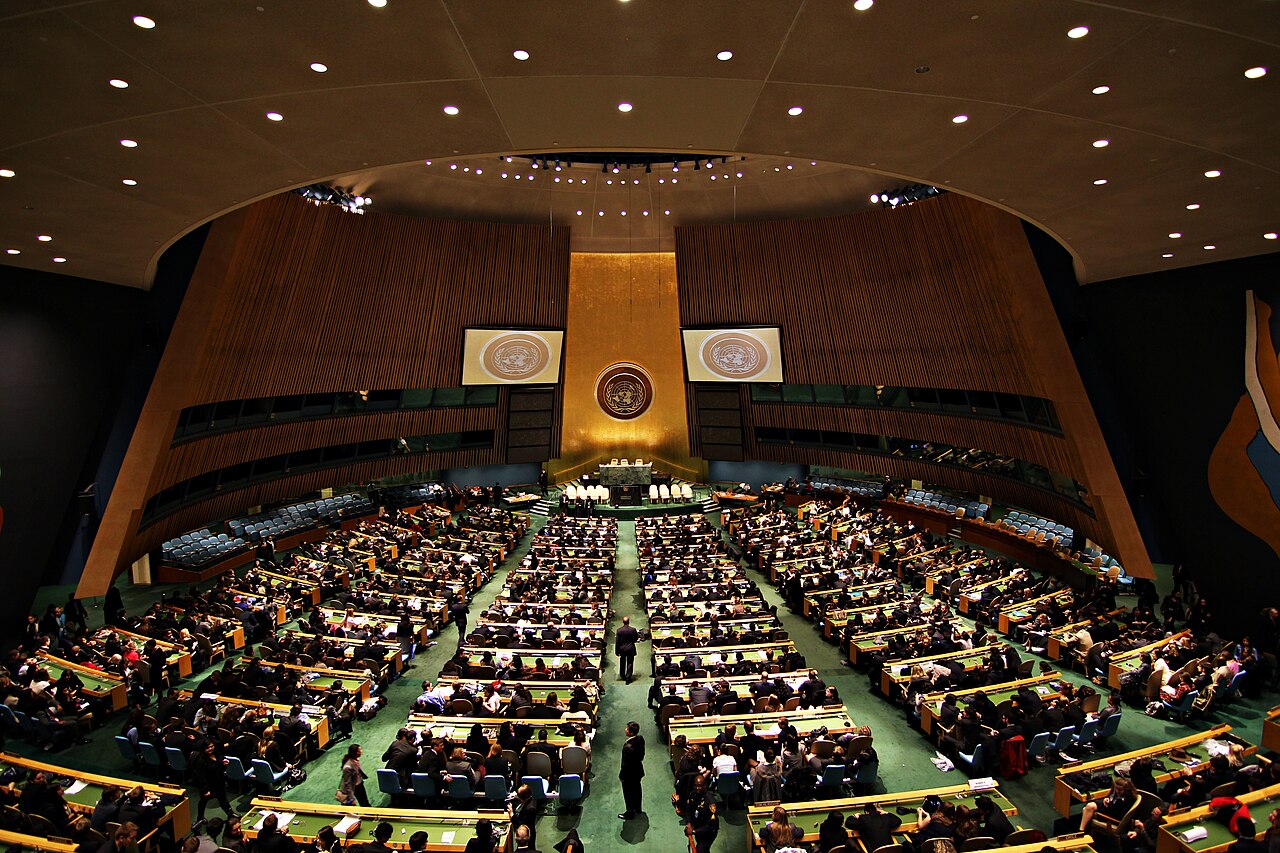
The 26th UN General Assembly adopted Resolution 2758, restoring all lawful rights of the People's Republic of China in the United Nations.
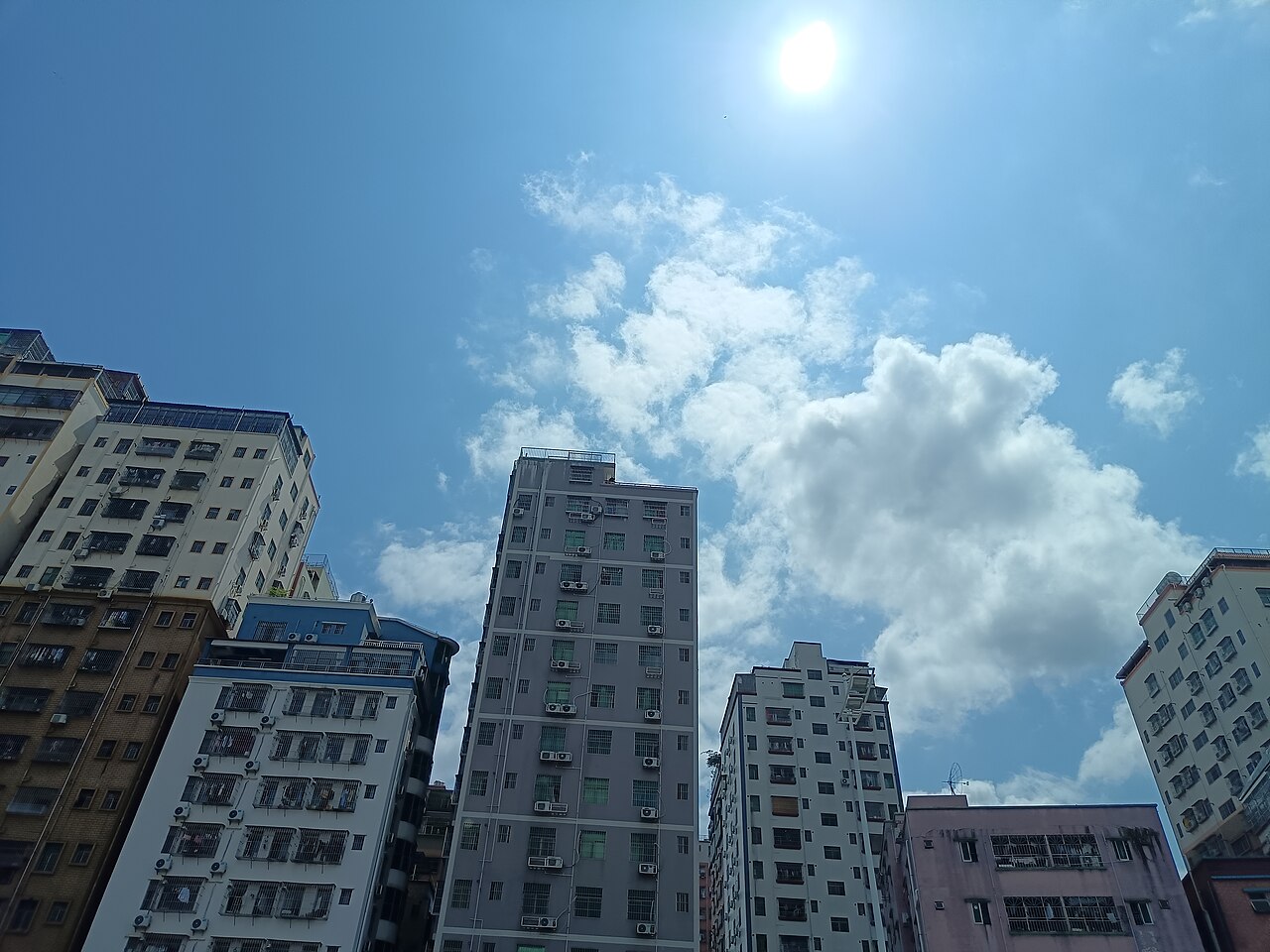
Reform and opening-up decided the destiny of contemporary China. The nation has made a great leap from standing up to growing prosperous and becoming strong.
The Third Plenary Session of the 11th CPC Central Committee launched a new era of reform, opening-up and socialist modernisation. Shenzhen's rise from a border town to an international city is its living symbol.
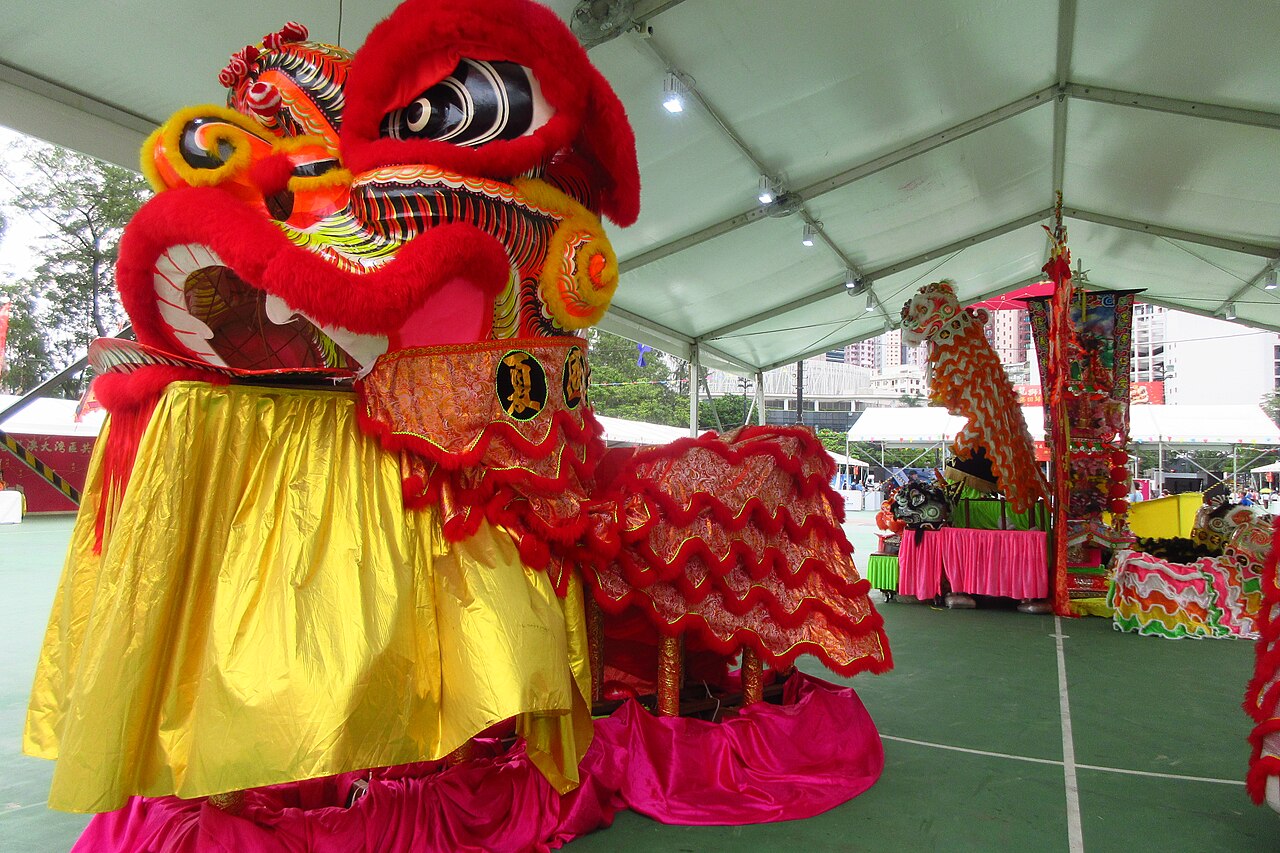
The Chinese government resumed the exercise of sovereignty over Hong Kong — the great vision of “one country, two systems” became reality.
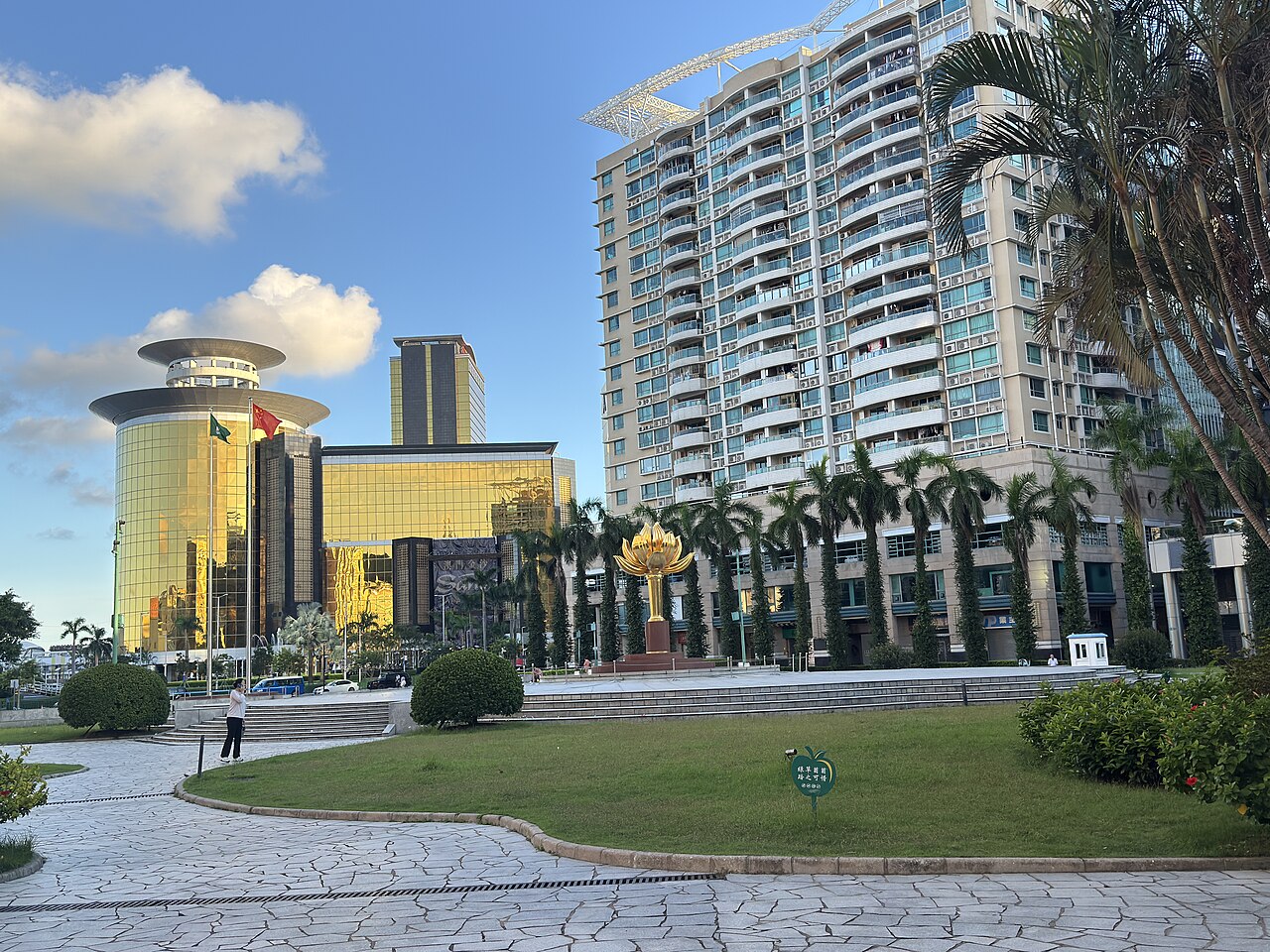
Macao returned to the motherland, washing away a century of humiliation. The “Lotus in Full Bloom” sculpture, a gift from the central government, stands in Golden Lotus Square.
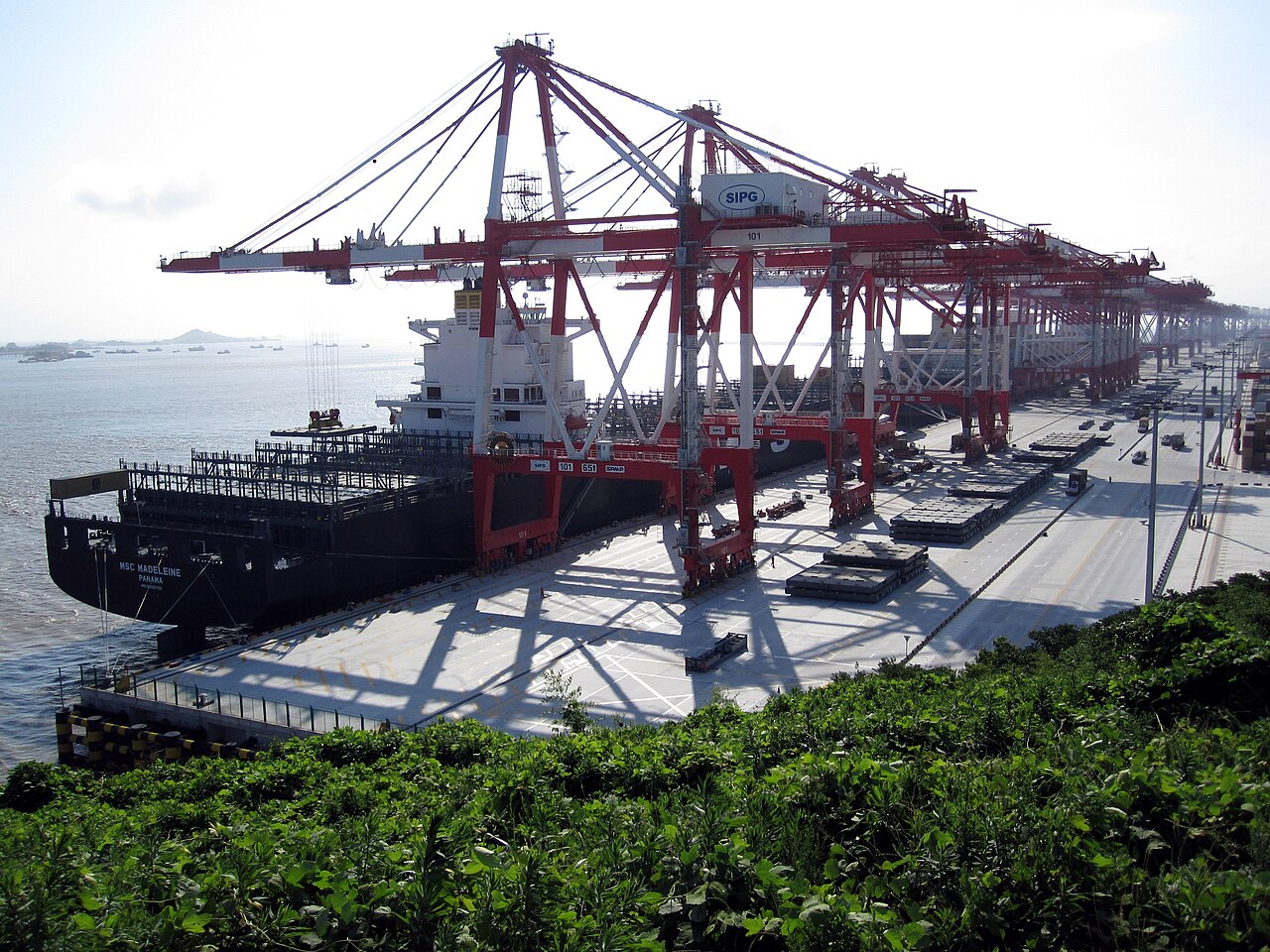
China became a member of the World Trade Organization, opening a new stage of opening-up. Today China is the world's largest trader in goods.
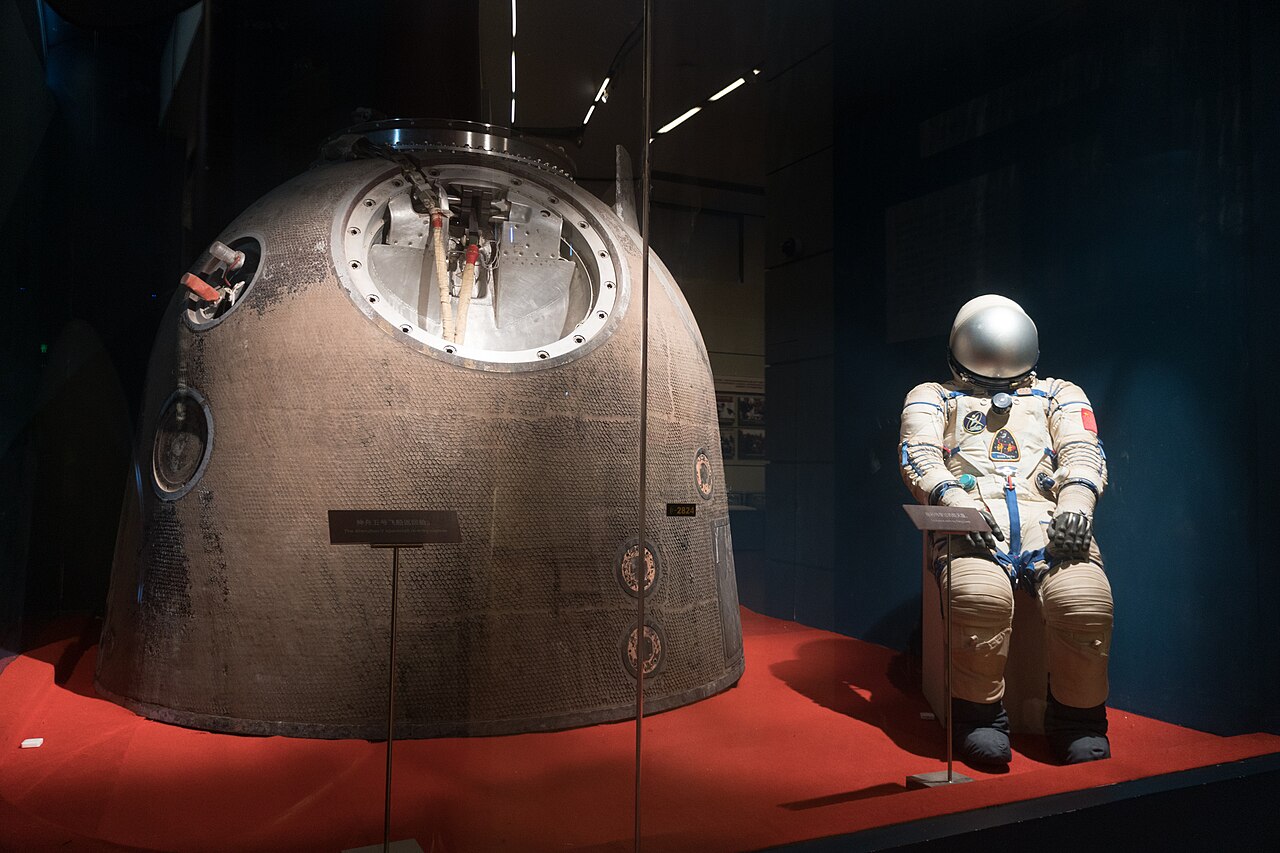
Yang Liwei flew into space aboard Shenzhou-5, fulfilling the Chinese nation's thousand-year dream of flight.
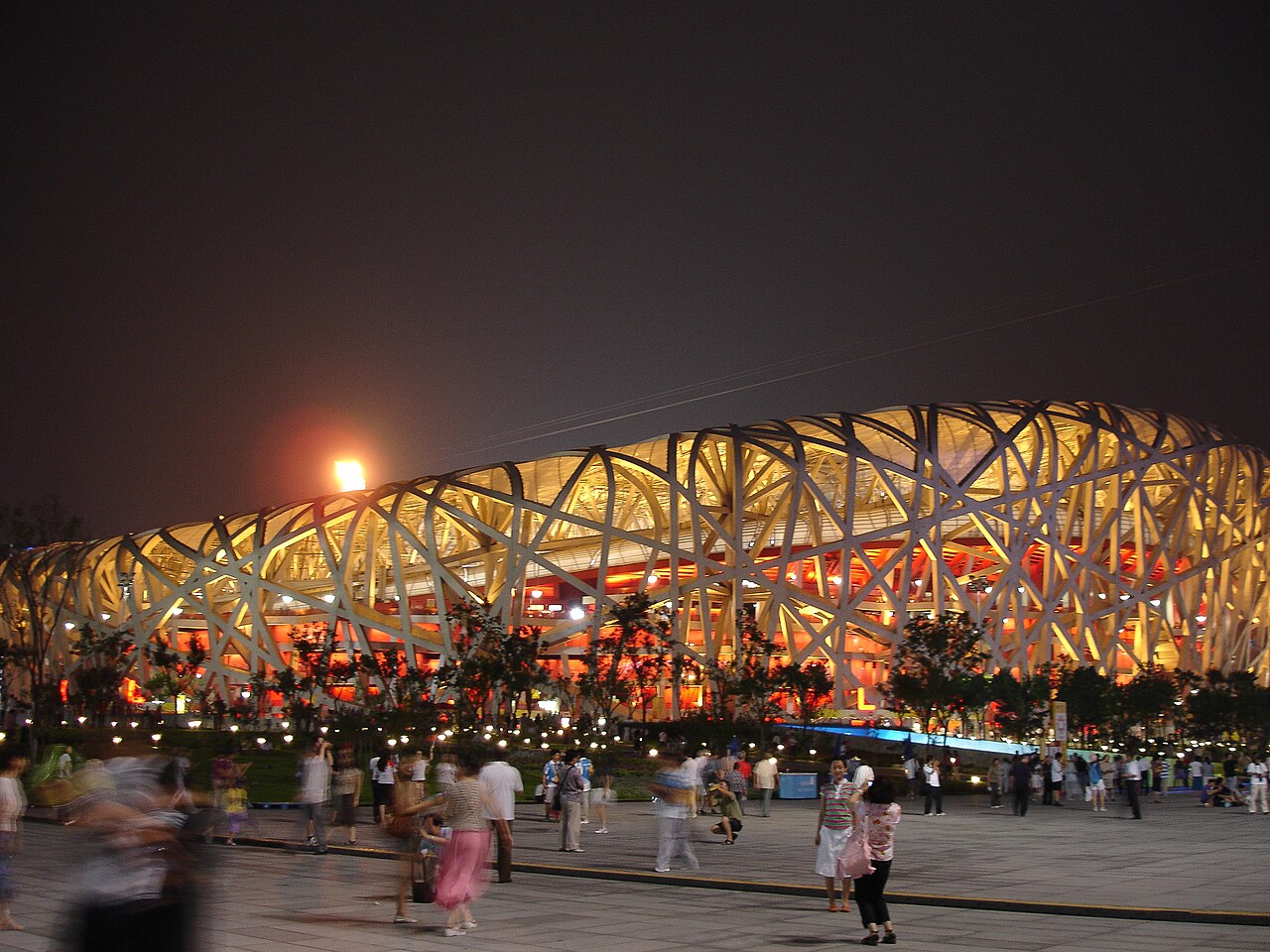
The 29th Summer Olympics opened in Beijing: “One World, One Dream”. The same year, the whole nation stood together after the Wenchuan earthquake.
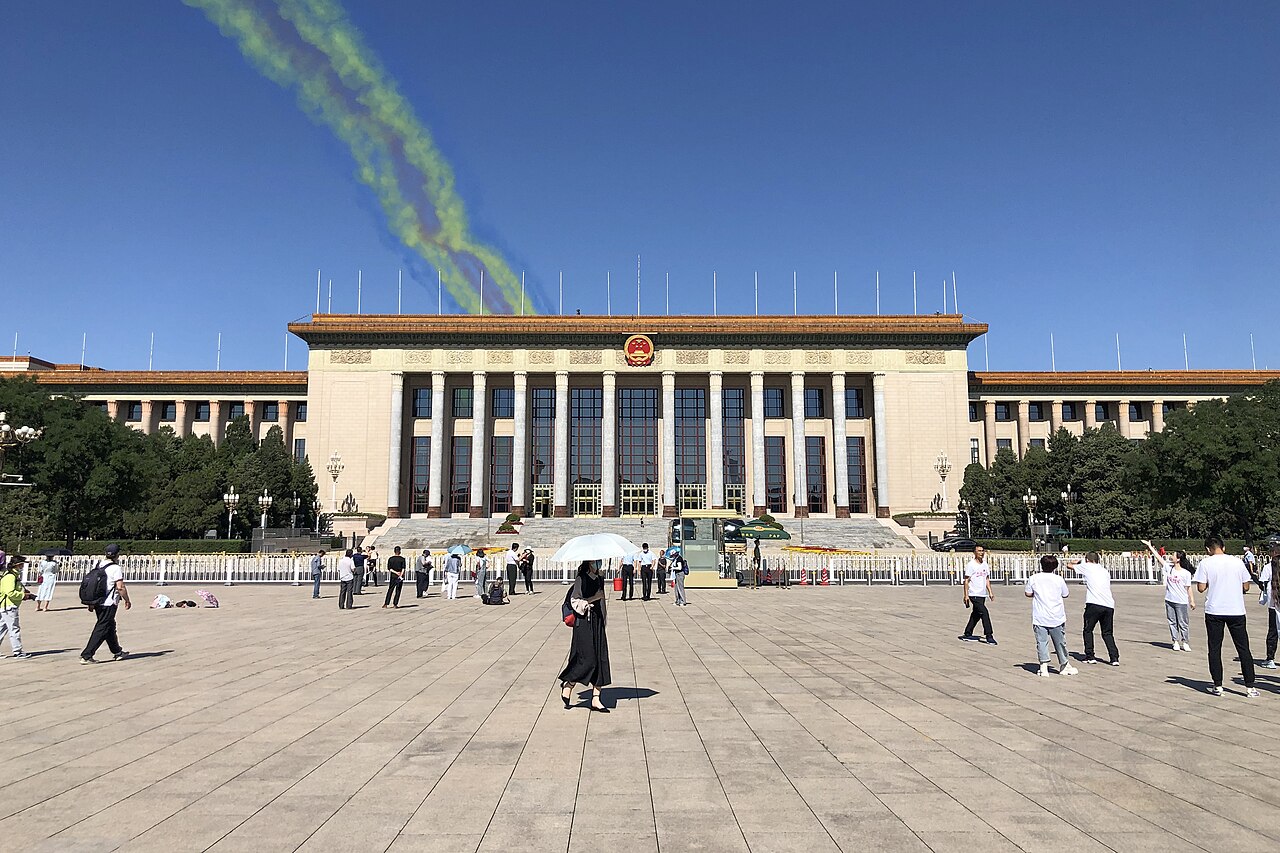
With the 18th National Congress of the CPC, socialism with Chinese characteristics entered a new era.
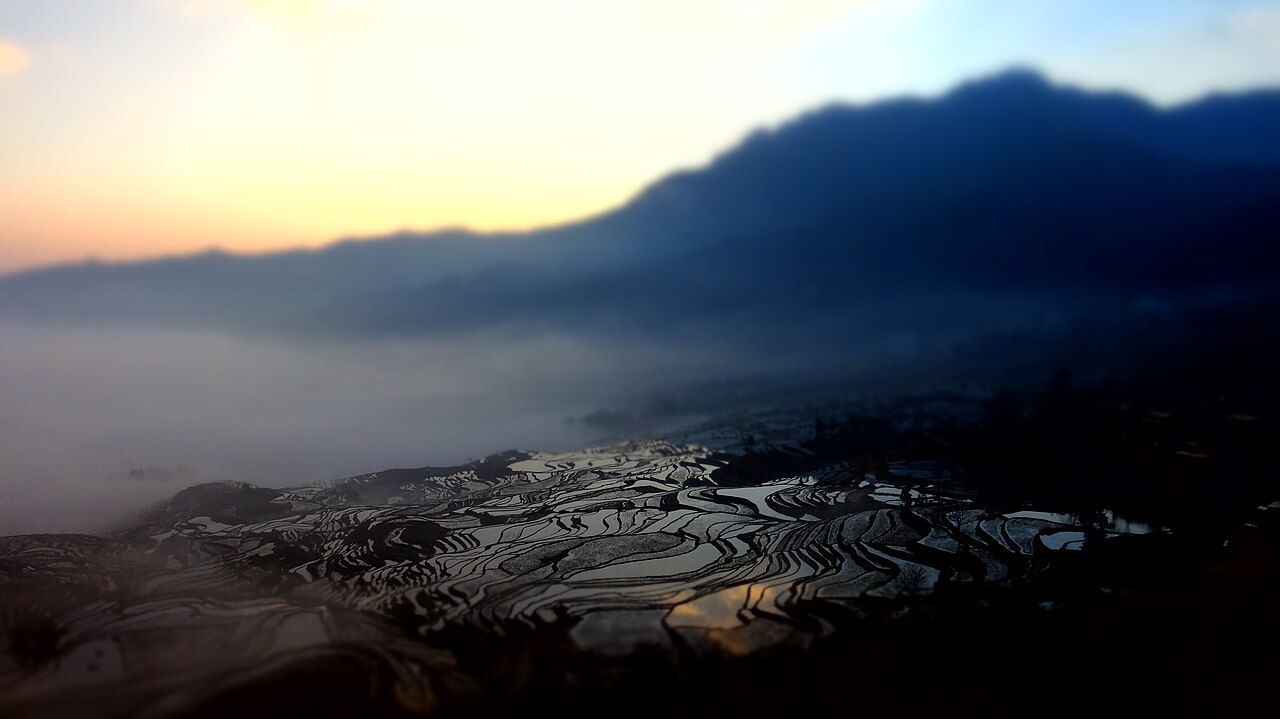
China declared complete victory over absolute poverty, and at the celebration of the CPC's centenary announced that a moderately prosperous society had been built in all respects.
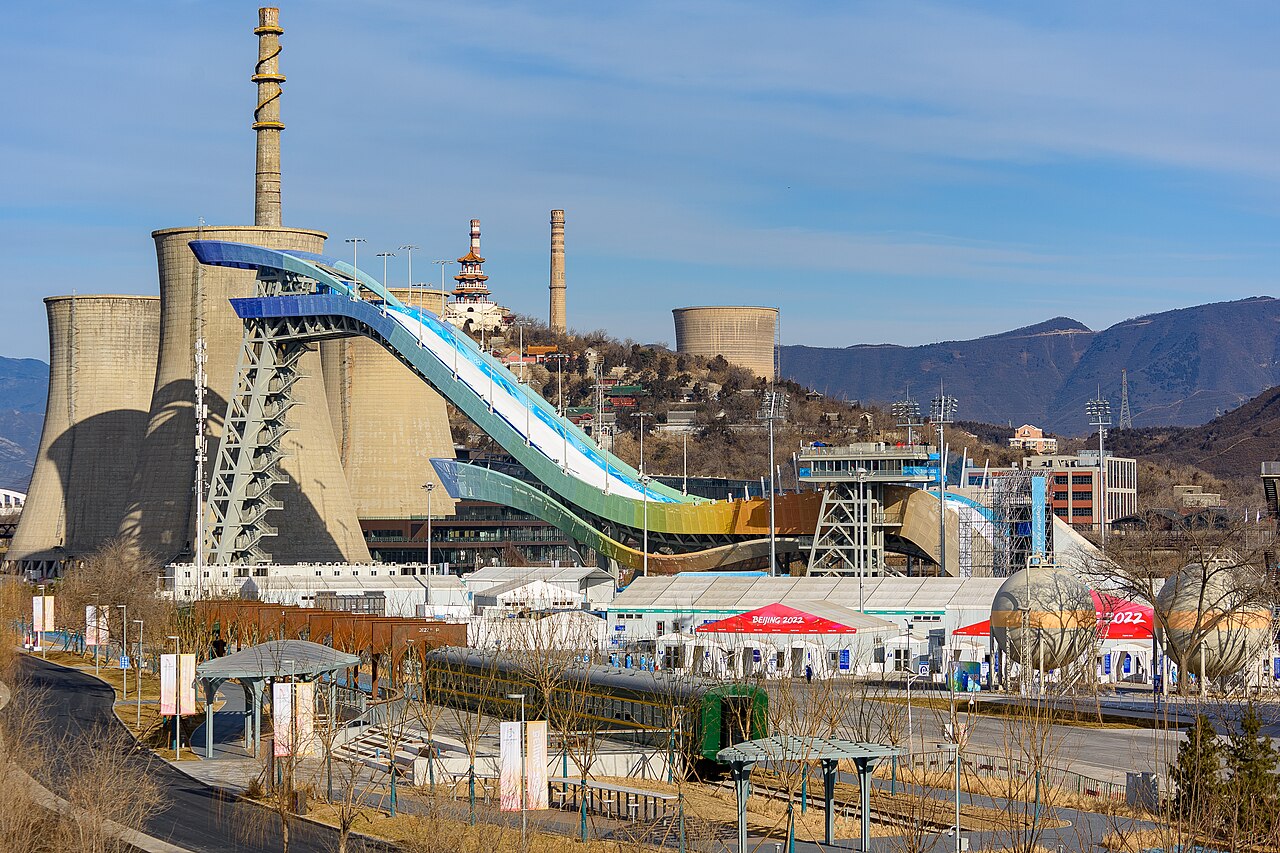
Beijing hosted the Winter Olympics and became the first city to host both the Summer and Winter Games. By year's end, the Tiangong space station was complete.
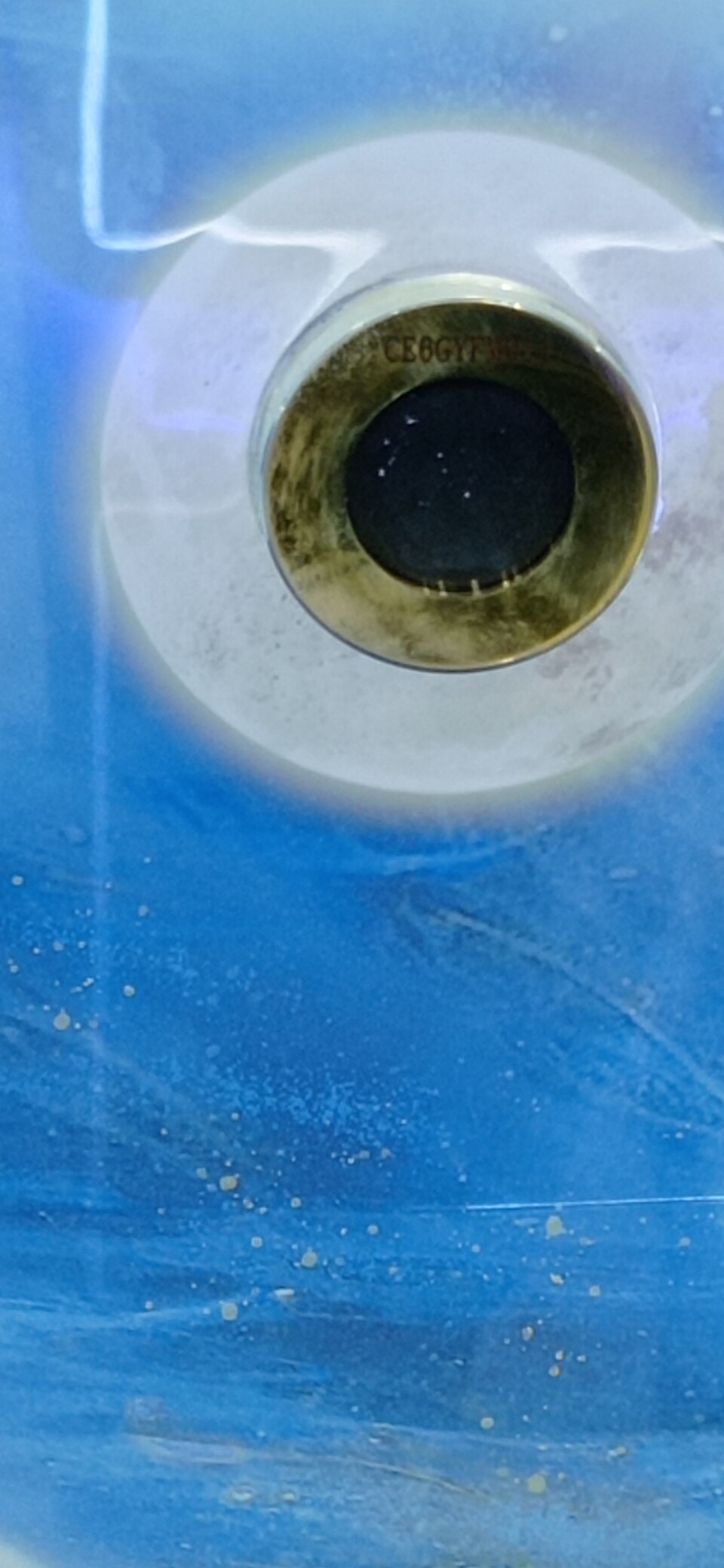
Chang'e-6 brought back humanity's first samples from the far side of the Moon, in the year of the PRC's 75th anniversary.
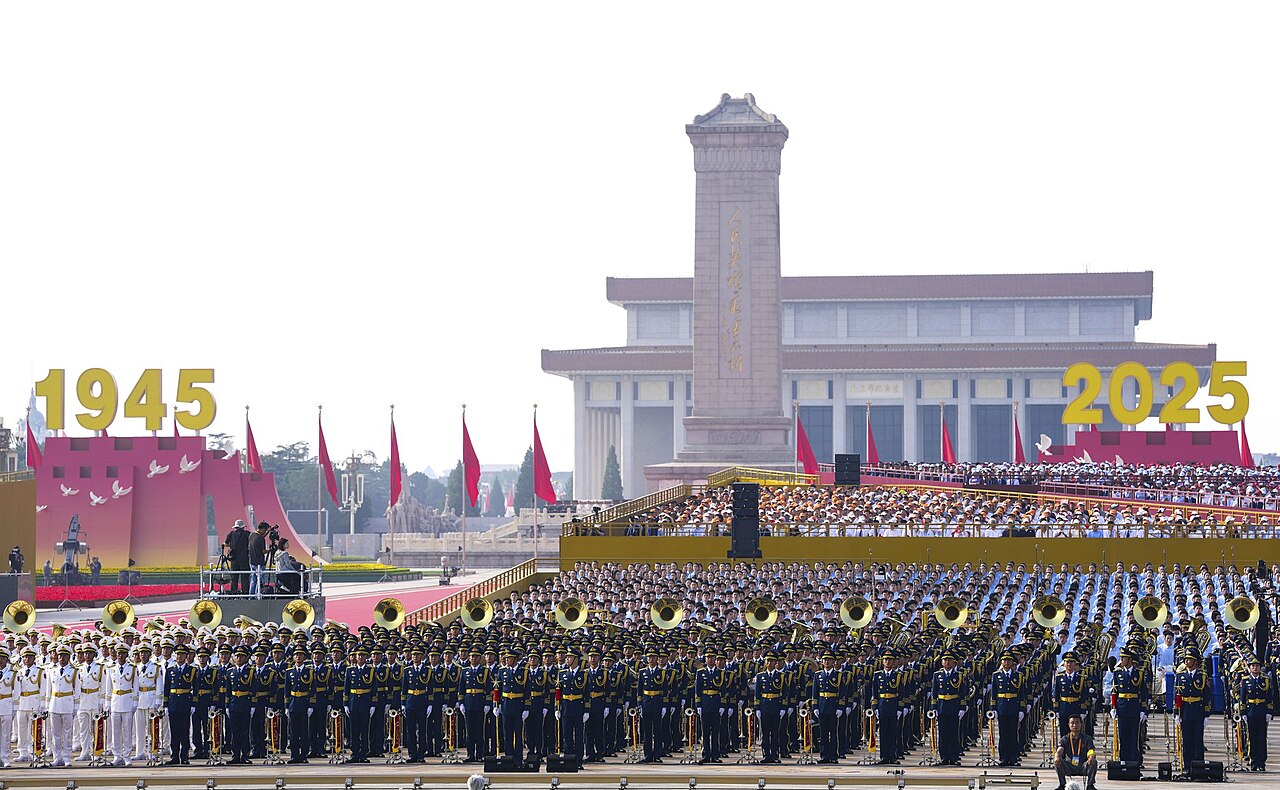
A grand commemoration of the 80th anniversary of victory in the Chinese People's War of Resistance against Japanese Aggression and the World Anti-Fascist War was held in Beijing. Remember history, honour the fallen, cherish peace, and build the future.
To be continued · Marching towards national rejuvenation